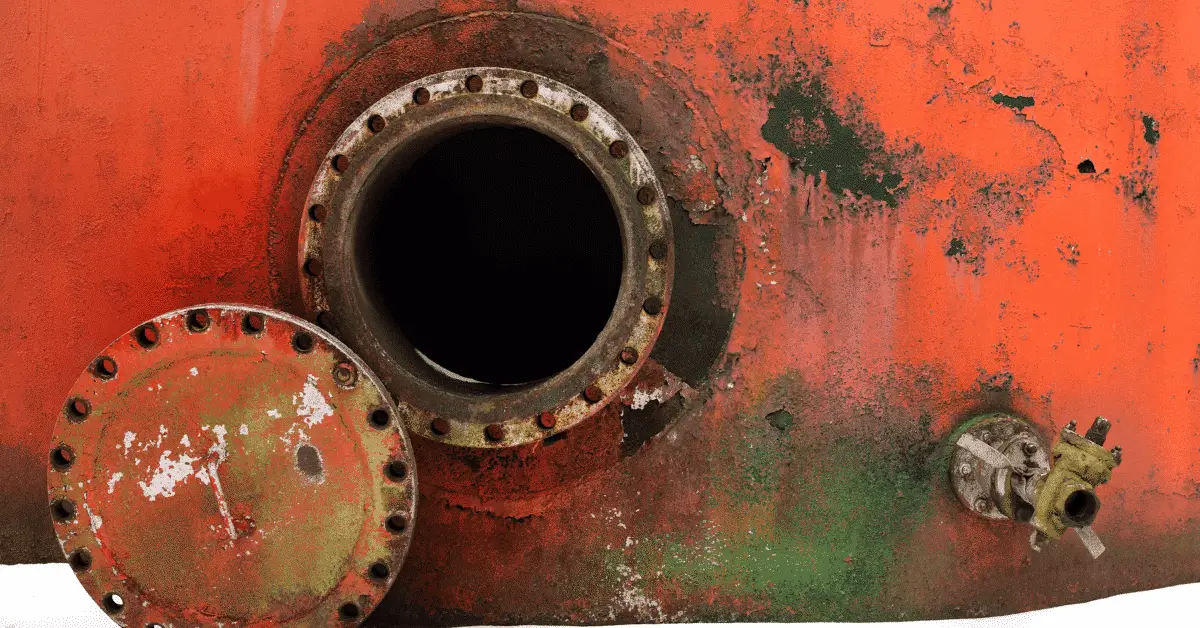
Confined spaces are workplaces that pose significant hazards due to their limited entry and exit points, restricted ventilation, and potential for hazardous atmospheres. These spaces are common in industries such as construction, oil and gas, water treatment, chemical processing, and manufacturing. A confined space attendant, also known as a standby person or safety observer, plays a critical role in ensuring the safety of workers entering and operating in these high-risk environments.
This article provides a comprehensive and practical overview of confined space attendant duties and responsibilities, highlighting real-world applications and opportunities for safety professionals.
Understanding the Role of a Confined Space Attendant
Before delving into the specific duties, it is essential to understand the primary purpose of a confined space attendant. The attendant’s role is primarily preventive: they monitor the safety of workers inside the confined space, maintain communication, and respond to emergencies. Unlike workers entering the space, attendants do not perform operational tasks inside the confined space themselves. Instead, their focus is on vigilance, hazard monitoring, and compliance with safety protocols.
Attendants are often the first line of defense against accidents such as asphyxiation, chemical exposure, engulfment, falls, and entrapment. As such, their responsibilities are critical to achieving Health, Safety, and Environmental (HSE) compliance in workplaces that involve confined spaces.
Read Also: Procedure for Confined Spaces Atmospheric Test in the Workplace
Primary Duties of a Confined Space Attendant
The duties of a confined space attendant are both procedural and proactive. Each duty contributes to maintaining a safe environment and preventing injuries or fatalities.
1. Pre-Entry Monitoring and Preparation
Before any worker enters a confined space, the attendant must ensure that all safety measures are in place. This includes:
-
Conducting a hazard assessment: The attendant ensures that a comprehensive risk assessment of the confined space is completed. They verify that potential hazards—such as toxic gases, low oxygen levels, flammable atmospheres, and physical obstructions—are identified and mitigated.
-
Verifying permits: In permit-required confined spaces, the attendant confirms that the entry permit is current, correctly filled, and authorizes entry.
-
Inspecting safety equipment: Attendants check all personal protective equipment (PPE), including harnesses, respirators, gas detectors, and communication devices, to ensure they are functional and compliant with safety standards.
-
Securing the work area: The attendant ensures that access points are controlled, barricades are in place, and signage is visible to prevent unauthorized entry.
This pre-entry vigilance ensures that workers are entering a safe environment and that potential hazards are minimized.
2. Continuous Monitoring of Workers
Once entry is authorized, the confined space attendant assumes the critical role of constant monitoring. This includes:
-
Observing worker activities: The attendant watches the workers’ actions to ensure they follow proper procedures and use PPE correctly.
-
Monitoring environmental conditions: They continuously measure oxygen levels, toxic gases, and combustible concentrations using calibrated detection instruments.
-
Detecting signs of distress: Attendants are trained to identify early signs of worker fatigue, disorientation, or exposure to hazardous substances.
-
Maintaining logs: Accurate documentation of conditions, entry times, and any incidents is essential for regulatory compliance and future audits.
Constant monitoring is a proactive measure that allows attendants to intervene immediately if a hazard arises, minimizing the risk of accidents.
3. Communication Duties
Effective communication is a cornerstone of confined space safety. The attendant ensures seamless communication between workers inside the space, rescue personnel, and supervisory staff:
-
Maintaining verbal or radio contact: Regular check-ins confirm that workers are safe and aware of any changes in conditions.
-
Relaying critical information: The attendant communicates updates on environmental conditions, permit changes, or emerging hazards to both workers and supervisors.
-
Coordinating emergency response: In the event of an emergency, attendants serve as the communication link between rescue teams and workers inside the confined space.
Strong communication skills are crucial for preventing accidents and ensuring rapid response in emergencies.
4. Emergency Response and Rescue Preparedness
Confined space attendants are trained to act quickly during emergencies. Their responsibilities include:
-
Initiating evacuation procedures: If conditions become unsafe, attendants order the immediate withdrawal of personnel from the space.
-
Calling for rescue services: Attendants alert trained confined space rescue teams and provide precise information about the location, nature of the emergency, and number of affected workers.
-
Providing first response: While attendants do not typically enter the confined space themselves unless specifically trained for rescue, they may provide external assistance such as operating hoists, ropes, or lifelines.
-
Maintaining calm and control: In emergencies, the attendant ensures that panic is minimized and that workers follow established emergency protocols.
Emergency preparedness is a critical duty, and employers must ensure that attendants are trained in first aid, CPR, and confined space rescue coordination.
5. Regulatory Compliance and Record-Keeping
Confined space operations are highly regulated by authorities such as OSHA, HSE, and other national safety organizations. The attendant ensures that operations meet all legal and procedural requirements:
-
Permit verification: Confirming that entries align with the permit’s specifications, including authorized personnel, duration, and safety measures.
-
Documentation: Maintaining detailed records of worker entries, atmospheric readings, equipment checks, and any safety incidents.
-
Audit support: Assisting HSE audits by providing accurate logs and evidence of compliance.
-
Updating protocols: Reporting near misses, hazards, and inefficiencies to supervisors to continuously improve confined space safety procedures.
Compliance-focused attendants not only safeguard workers but also protect the organization from legal penalties and operational downtime.
6. Maintaining Equipment Readiness
Confined space attendants are responsible for ensuring all safety and monitoring equipment is operational:
-
Inspecting PPE and gas detection instruments: Equipment should be tested and calibrated before each entry.
-
Monitoring communication devices: Radios, intercoms, or signal systems must function reliably.
-
Checking rescue equipment: Lifelines, hoists, harnesses, and tripod systems should be ready for immediate use.
-
Reporting equipment failures: Any malfunctioning tools or devices must be reported and replaced promptly.
Proper equipment readiness directly impacts the safety of workers and enhances operational efficiency.
Read Also: Confined Space Rescue Plan and Template
7. Controlling Access and Preventing Unauthorized Entry
One of the often-overlooked duties is ensuring that only authorized personnel enter the confined space:
-
Securing entry points: Barricades, warning signs, and locks are used to prevent accidental entry.
-
Monitoring site traffic: The attendant ensures that unrelated personnel or visitors are kept away from hazardous areas.
-
Documenting entry and exit: Only those listed on the entry permit may access the confined space, and the attendant must track movements accurately.
Controlled access prevents accidents caused by untrained individuals entering high-risk environments.
8. Supporting a Safety Culture
Confined space attendants are not just safety monitors—they are safety ambassadors. Their responsibilities include:
-
Promoting awareness: Educating workers on confined space risks and safe practices.
-
Modeling safe behavior: Demonstrating adherence to PPE and procedural compliance.
-
Reporting hazards proactively: Identifying potential risks and suggesting preventive measures to supervisors.
-
Encouraging accountability: Reinforcing the importance of following safety protocols and regulations.
By actively supporting a safety-first culture, attendants enhance overall organizational safety and reduce accident rates.
Key Skills for Effective Confined Space Attendants
To perform these duties successfully, attendants must possess a combination of technical knowledge, vigilance, and soft skills:
-
Hazard recognition and risk assessment
-
Proficiency with gas detection and monitoring instruments
-
Clear and assertive communication
-
Emergency response and rescue coordination skills
-
Attention to detail and documentation accuracy
-
Ability to stay calm under pressure
These skills make attendants indispensable in industries where confined spaces are part of routine operations.
Opportunities for Confined Space Attendants
Working as a confined space attendant opens up multiple career pathways:
-
HSE Officer/Supervisor: Experience in confined space monitoring is often a stepping stone to broader safety management roles.
-
Permit-Required Confined Space Trainer: Attendants with extensive field experience can train others in confined space safety.
-
Industrial Safety Consultant: Knowledge of confined space operations allows attendants to advise multiple organizations on compliance and risk mitigation.
-
Emergency Response Specialist: Specialized roles in confined space rescue teams or emergency preparedness units.
The role offers both hands-on safety experience and a foundation for advanced HSE careers, making it an attractive opportunity for safety-conscious professionals.
Conclusion
The duties and responsibilities of a confined space attendant are central to preventing accidents, ensuring regulatory compliance, and maintaining a culture of safety in high-risk environments. From pre-entry preparations and continuous monitoring to emergency response, communication, and record-keeping, attendants serve as the backbone of confined space safety programs.
By mastering these duties and acquiring relevant skills, attendants not only protect the lives of workers but also position themselves for a range of career opportunities in Health, Safety, and Environmental management. Organizations that invest in competent attendants reap the benefits of improved safety compliance, reduced incident rates, and a strong safety culture.

A seasoned Health and Safety Consultant with over a decade of hands-on experience in Occupational Health and Safety, UBONG EDET brings unmatched expertise in health and safety management, hazard prevention, emergency response planning, and workplace risk control. With a strong passion for training and coaching, he has empowered professionals and organizations to build safer, more compliant work environments.
Certified in globally recognized programs including NEBOSH, ISO standards, and OSHA regulations, he combines technical know-how with practical strategies to drive health and safety excellence across industries. designing comprehensive HSE management systems or delivering impactful safety training, whether he] is committed to promoting a culture of safety and continuous improvement.