Non-Entry Rescue: A Practical Guide for Workplace Safety and Emergency Response

Fire Extinguishing Agent That Should Not be Used in a Confine Space

In industrial settings, construction sites, confined spaces, and other high-risk work environments, emergencies can occur without warning. One of the most critical safety practices in such environments is non-entry rescue—a method of rescuing a worker without physically entering the confined or hazardous space. Unlike entry rescue, which involves rescuers going into the danger zone, non-entry … Read more
Confined Space Attendant Duties and Responsibilities

Confined Space Safety Procedures

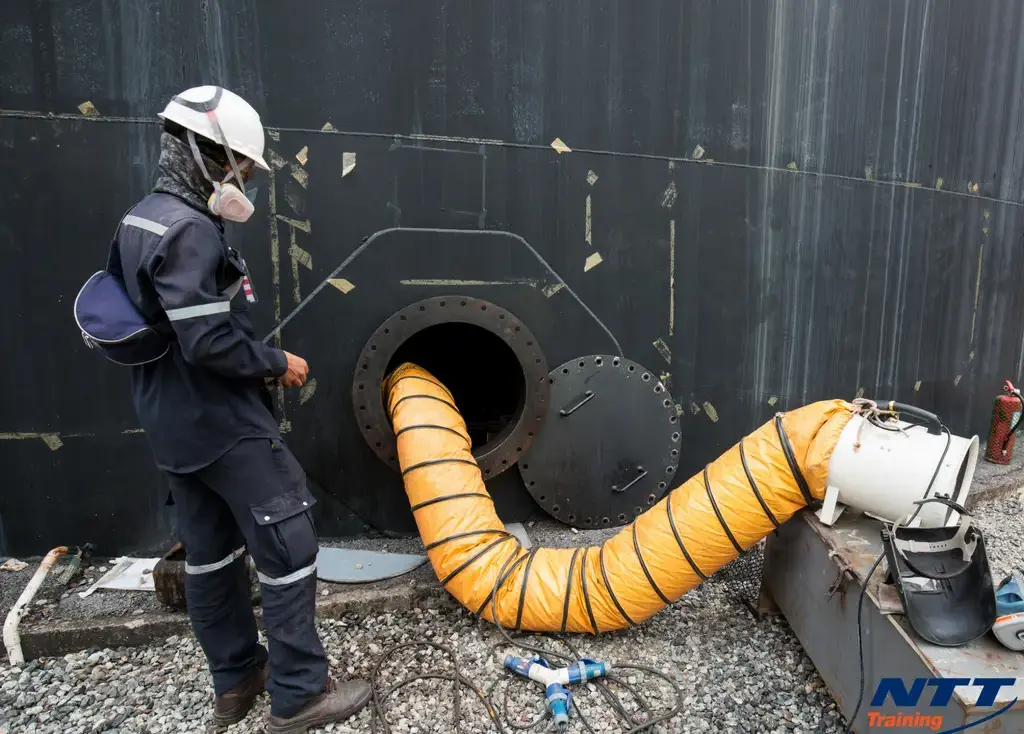
Confined spaces are workplaces that pose significant hazards due to their limited entry and exit points, restricted ventilation, and potential for hazardous atmospheres. These spaces are common in industries such as construction, oil and gas, water treatment, chemical processing, and manufacturing. A confined space attendant, also known as a standby person or safety observer, plays … Read more

How to Establish Electrically Safe Work Conditions in Confined Spaces

confined space entry training

When dealing with industrial environments, the question “How to Establish Electrically Safe Work Conditions in Confined Spaces” is vitally important. Confined spaces already pose multiple hazards (Limited egress, atmospheric risks, engulfment, etc.), and the presence of electrical systems or energized equipment adds another layer of hazard. To protect workers from electric shock, arc flash, burns, … Read more

Horizontal Confined Space Rescue

Horizontal confined space rescue

Horizontal confined spaces (like tunnels, culverts, vaults, utility tunnels, trenches, side-entry tanks, and pipes) present unique rescue challenges. Horizontal confined space rescue differs significantly from vertical rescues, requiring specialized techniques, equipment, planning, and training. In this article, we cover everything from lifeline rescue kits to non-entry rescue strategies, a robust horizontal confined space rescue plan, … Read more

9 Major Confined Space Hazards

Confined Space Hazards

Working in confined spaces is one of the most dangerous tasks across various industries, including construction, oil and gas, chemical manufacturing, and public utilities. According to the U.S. Bureau of Labor Statistics (BLS), over 1,000 workers died in confined space-related incidents between 2011 and 2018. These deaths often occur due to poorly recognized or inadequately … Read more

Procedure for Confined Spaces Atmospheric Test in the Workplace

Confined Spaces Atmospheric Test

Confined spaces are some of the most dangerous areas to work in due to limited airflow, poor visibility, and the possibility of hazardous atmospheres. One critical safety requirement before entering any confined space is conducting an atmospheric test. This guide offers a practical breakdown of what a confined space atmospheric test covers, how it is … Read more

Confined Space Rescue Teams: Roles, Responsibilities & Safety Compliance Guide

Confined Space Rescue Teams

When it comes to working in confined spaces, whether it’s tanks, silos, tunnels, or sewers—things can go from routine to life-threatening in seconds. That is where confined space rescue teams come in. These are not just backup crews—they’re essential, trained professionals equipped to save lives when things go wrong in the most challenging environments. In … Read more

Confined Space Rescue Plan and Template

Confined Space Rescue Plan

A confined space rescue plan is a planned safety method to protect employees who enter a confined space. Confined spaces are not healthy for humans and may be harmful like poor ventilation, poisonous gases, or poor accessibility. An established and well-documented rescue plan guarantees the safe rescue of the employees and speedy rescue in emergencies. … Read more

How Often Must the Permit-Required Confined Space Entry Program be Reviewed

OSHA Confined Space Air Monitoring Requirements

According to OSHA Permit-Required Confined Space Entry Program must be Reviewed 1 year after each entry. Here is what OSHA has to say: Review the permit space program, using the canceled permits retained under § 1926.1205(f), within 1 year after each entry and revise the program as necessary to ensure that employees participating in entry … Read more

Confined Space Entry Training: A Complete Guide

confined space entry training

Every year, workers enter confined spaces—tanks, tunnels, sewers—never to return. In just seconds, invisible hazards like toxic gases, oxygen depletion, or engulfment can turn a routine task into a fatal tragedy. These are not freak accidents; they are preventable. The difference between life and death often comes down to one thing: proper Confined Space Entry … Read more