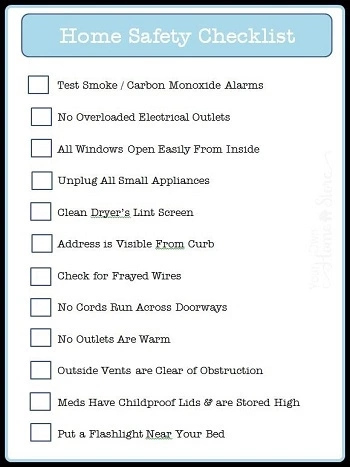
A Safety Checklist is more than a simple inspection sheet — it is a structured, systematic tool used to identify hazards, verify compliance, prevent accidents, and document safety performance. In modern workplaces and homes, safety checklists play a critical role in reducing injuries, avoiding costly fines, and building a proactive safety culture.
Regulatory authorities such as the Occupational Safety and Health Administration (OSHA), the Health and Safety Executive (HSE), and the National Fire Protection Association (NFPA) emphasize structured inspections and documented controls. A well-developed safety checklist aligns with these regulatory expectations while supporting internal risk management systems.
This comprehensive guide explains everything you need to know about safety checklists, including types, examples, implementation strategies, compliance integration, and best practices.
Safety Checklist
Here are some major safety checklist which are invaluable for Health and Safety professionals.
1. General Workplace Inspection Checklist
A General Workplace Inspection Checklist is the foundation of any occupational safety program. It is designed to assess the overall safety condition of a facility, ensuring hazards are identified before they lead to injuries, equipment damage, or regulatory penalties.
This checklist is typically conducted daily, weekly, or monthly, depending on risk level. High-risk environments such as construction sites or manufacturing plants may require daily inspections, while offices may conduct monthly reviews.
The purpose of this checklist is to:
-
Identify unsafe acts and unsafe conditions
-
Verify compliance with safety policies
-
Ensure emergency systems are functional
-
Confirm employees follow procedures
-
Document findings for audit purposes
A general inspection covers multiple safety domains, including housekeeping, emergency preparedness, electrical systems, machinery, ergonomics, hazardous substances, and documentation. Each area must be assessed systematically rather than casually observed.
An effective inspection should:
-
Be performed by a competent person
-
Use standardized criteria
-
Include photo documentation where necessary
-
Identify corrective actions
-
Assign responsibility and deadlines
-
Be signed and archived
One major mistake organizations make is performing inspections without acting on findings. A checklist without corrective follow-up is ineffective. The real value lies in hazard elimination and control implementation.
Workplace inspections also help identify patterns. For example, repeated trip hazards in one area may indicate poor storage practices. Frequent minor electrical issues may signal inadequate preventive maintenance.
From a compliance standpoint, documented inspections demonstrate due diligence. During regulatory audits or investigations, inspection records serve as evidence that hazards were proactively managed.
A well-structured General Workplace Inspection Checklist forms the backbone of safety performance management.
Some checklists that should be included in this category are:
1. General Work Environment and Housekeeping Checklist
Housekeeping is one of the most overlooked yet critical safety elements. Poor housekeeping directly contributes to slips, trips, falls, fire hazards, and ergonomic injuries. An effective checklist ensures cleanliness, organization, and hazard-free conditions.
Inspection items should include:
-
Floors free from oil, water, and debris
-
Walkways and corridors are unobstructed
-
Proper storage of materials
-
Waste is disposed of in designated bins
-
Adequate lighting
-
Ventilation functioning properly
-
No protruding nails or sharp edges
-
Tools returned to storage after use
-
Spill kits accessible
-
Clear signage visible
Good housekeeping improves more than safety. It increases productivity, reduces stress, and enhances workplace morale. Organized environments reduce time wasted searching for tools or materials.
Inspectors should assess storage practices carefully. Overstacked materials or improperly stored equipment can collapse or fall, causing serious injury. Shelving systems must be stable and weight limits respected.
Spill management is another critical element. Any liquid spill should be cleaned immediately and recorded if necessary. Chemical spills require proper containment and disposal procedures.
Lighting must be adequate to prevent eye strain and ensure hazards are visible. Dim lighting increases the likelihood of accidents.
Ventilation ensures good air quality, especially in areas with dust, fumes, or chemical vapors. Poor ventilation may lead to respiratory problems and long-term health effects.
Ultimately, housekeeping is not about cleanliness alone—it is about risk prevention. A structured housekeeping checklist ensures nothing is overlooked.
2. Emergency Exits and Procedures Checklist
Emergency preparedness is a critical safety priority. During a fire, explosion, chemical spill, or other emergency, properly maintained exit routes can save lives.
A checklist for emergency exits should verify:
-
Exit routes are clearly marked
-
Illuminated exit signage is functioning
-
Emergency lighting operational
-
Exits unobstructed
-
Doors open outward and easily
-
Evacuation maps displayed
-
Assembly points designated
-
Alarm systems functional
-
Emergency drills conducted
-
Employees trained on procedures
Blocked or poorly marked exits are a common regulatory violation. Exit routes must remain free of storage materials, equipment, or debris at all times.
Emergency lighting is crucial during a power failure. Inspectors should test backup systems regularly to ensure they activate automatically.
Evacuation plans should be visibly posted in common areas. Employees must know:
-
Where to exit
-
Where to assemble
-
Who to report to
-
How to account for personnel
Regular drills improve response time and reduce panic during real emergencies.
Emergency procedures must also consider persons with disabilities. Plans should include evacuation assistance protocols.
A documented emergency preparedness checklist demonstrates organizational commitment to life safety.
3. Fire Safety and Protection Checklist
Fire hazards exist in nearly every environment, from homes to industrial facilities. A comprehensive fire safety checklist ensures that prevention, detection, and response systems function properly.
Inspection points include:
-
Fire extinguishers available and accessible
-
Extinguishers inspected monthly
-
Fire alarms tested
-
Smoke detectors operational
-
Sprinkler systems maintained
-
Fire doors are closing properly
-
Flammable materials are stored safely
-
Electrical outlets are not overloaded
-
Fire blankets available
-
Fire risk assessment completed
Fire extinguishers must be appropriate for the hazard class (A, B, C, D, or K). Inspectors should check pressure gauges, seals, and inspection tags.
Sprinkler systems require professional maintenance. Blocked sprinkler heads reduce effectiveness.
Storage of flammable liquids should follow safety standards, using approved cabinets.
Employees must receive fire extinguisher training and understand evacuation priorities.
Fire prevention is more cost-effective than fire response. Regular inspections significantly reduce fire risk.
4. Electrical Safety Checklist
Electrical hazards can result in electrocution, burns, fires, and explosions. Electrical safety checklists ensure systems are maintained and safe to use.
Key checklist items include:
-
No exposed wiring
-
Cables properly insulated
-
Circuit breakers functioning
-
Electrical panels labeled
-
Lockout/Tagout procedures enforced
-
No overloaded extension cords
-
Equipment grounded
-
Residual Current Devices tested
-
Electrical rooms secured
-
Qualified personnel performing repairs
Electrical rooms should remain locked and accessible only to authorized personnel.
Lockout/Tagout procedures prevent accidental energization during maintenance.
Overloaded sockets are a common fire risk. Inspectors should verify load capacity compliance.
Periodic inspection by licensed electricians is recommended.
Electrical safety failures can be catastrophic. Routine checklist inspections significantly reduce risk.
2. Personal Protective Equipment Checklist
Personal Protective Equipment serves as the last line of defense against workplace hazards. A PPE checklist ensures equipment is available, functional, and appropriate for tasks performed.
Checklist items include:
-
Hard hats free from cracks
-
Safety glasses are clean and scratch-free
-
Gloves appropriate for the task
-
Respirators fit-tested
-
Hearing protection available
-
High-visibility clothing worn
-
Safety footwear intact
-
PPE storage hygienic
-
Inspection logs maintained
-
Replacement schedule followed
PPE must match the hazard. For example, chemical-resistant gloves differ from cut-resistant gloves.
Training is essential. Employees must know how to wear, inspect, and maintain PPE.
Supervisors should enforce compliance consistently.
PPE inspections should be conducted before each use and formally recorded periodically.
A PPE checklist ensures protective equipment remains reliable.
3. Electrical Safety Checklist
An Electrical Safety Checklist focuses specifically on electrical systems and equipment beyond general workplace inspections.
Items include:
-
Equipment grounded
-
No damaged plugs
-
Lockout procedures applied
-
Warning signage posted
-
Panel covers secured
-
No water exposure
-
Arc flash labeling present
-
Portable tools tested
-
Generator safety verified
-
Maintenance documentation updated
Electrical hazards are often invisible. Regular inspection reduces hidden risks.
Arc flash protection must be evaluated in high-voltage environments.
Only qualified electricians should conduct advanced inspections.
4. Fire Safety Checklist
Fire safety applies to workplaces and homes. Fires can escalate within minutes, making prevention critical.
Checklist focus areas:
-
Smoke detectors installed and tested
-
Fire extinguishers available
-
Escape plan developed
-
Emergency numbers posted
-
Flammable materials are stored safely
-
Cooking areas monitored
-
Heating systems inspected
-
Candles supervised
-
Electrical wiring safe
-
Family trained in evacuation
Homes require just as much fire safety attention as workplaces.
Regular inspection prevents devastating loss.
5. Hazardous Materials (COSHH) and Machinery Checklist
Hazardous materials must be managed carefully. COSHH regulations emphasize risk assessment and exposure control.
Checklist includes:
-
Safety Data Sheets available
-
Proper labeling
-
Secure storage
-
Ventilation adequate
-
Spill response equipment available
-
Exposure monitoring conducted
-
Machine guards intact
-
Emergency stops functional
-
Operator training verified
-
Disposal procedures followed
Machinery hazards often combine mechanical and chemical risks.
Routine inspection prevents catastrophic incidents.
6. Behavior-Based Safety Checklist
Behavior-Based Safety (BBS) focuses on observing and correcting unsafe behaviors.
Checklist items:
-
PPE worn properly
-
Safe lifting practiced
-
Procedures followed
-
No shortcuts taken
-
Hazards reported
-
Proper communication used
-
Tools used correctly
-
Housekeeping maintained
-
Supervisor engagement present
-
Feedback documented
BBS promotes proactive hazard identification.
Behavior observation reduces incidents significantly.
7. Job-Specific Safety Checklists
Certain tasks require specialized checklists.
Examples include:
-
Safety audit checklist
-
Safety harness checklist
-
Forklift safety checklist
-
Scaffolding checklist
-
Excavation checklist
-
Warehouse checklist
-
Construction safety checklist
-
Ladder safety checklist
Each focuses on unique risks such as fall protection, load handling, structural stability, confined spaces, and equipment operation.
Job-specific checklists reduce task-related hazards and improve compliance.
Conclusion
A Safety Checklist is not just paperwork—it is a life-saving management tool. Whether for workplace inspection, PPE verification, fire safety, electrical compliance, hazardous materials control, or job-specific tasks, structured checklists significantly reduce accidents.
Organizations that implement systematic inspections demonstrate:
-
Regulatory compliance
-
Risk awareness
-
Operational discipline
-
Employee protection commitment
For compliance, high-quality safety checklist content must:
-
Reflect on professional experience
-
Provide structured, detailed guidance
-
Align with recognized safety authorities
-
Offer practical implementation steps
When safety checklists are integrated into daily operations, supported by training, documented consistently, and reviewed regularly, they transform safety culture.
Safety is not accidental—it is inspected, documented, and maintained.