Offshore Oil Platforms: Managing High-Risk Operations Safely – Practical Safety Strategies That Actually Work

Offshore Oil Platforms Managing High-Risk Operations Safely

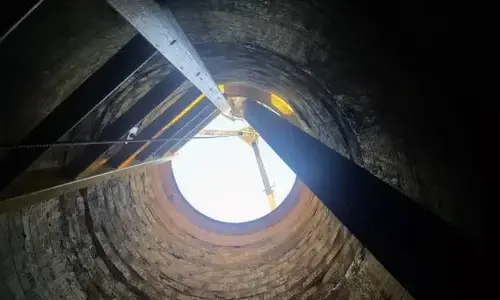
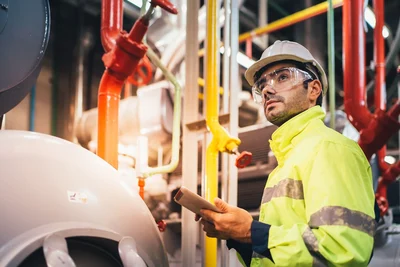
Why Offshore Oil Platform Safety Is a Different Game Entirely Offshore oil platforms are not just workplaces; they are self-contained industrial ecosystems operating in some of the most hostile environments on Earth. Unlike onshore facilities, offshore platforms sit miles away from emergency services, exposed to unpredictable weather, corrosive marine conditions, and complex process hazards involving … Read more

Why the Work Permit Flow Chart Is Critical for High-Risk Work Safety | PTW System

Types of permit to work

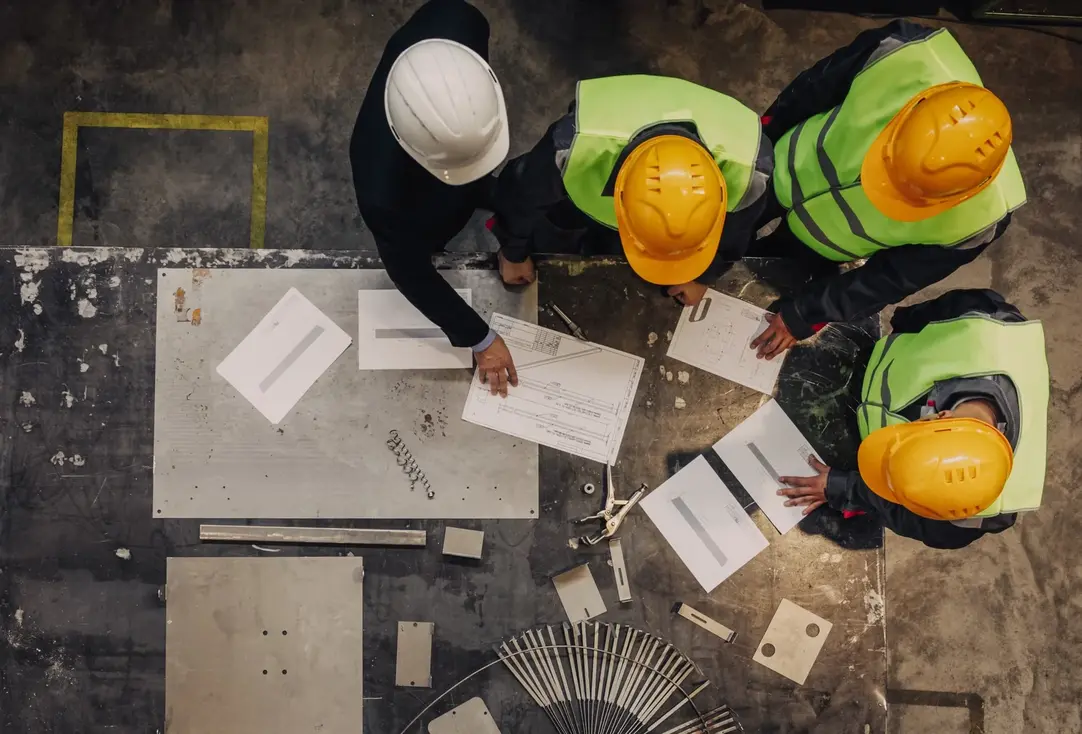
Introduction: Why Researchers Are Paying Closer Attention to PTW Systems In high-risk work environments—construction sites, oil and gas facilities, manufacturing plants, power stations, confined spaces, and maintenance shutdowns—accidents rarely happen because workers “didn’t know better.” From a researcher’s perspective, incident investigations consistently reveal something deeper and more uncomfortable: the breakdown of control systems that were … Read more

PPE Fit Testing and Practical Usage: A Complete Practical Guide for Workplace Safety

PPE Fit Testing and Practical Usage

What is PPE Fit Testing? PPE fit testing is a formal evaluation conducted to ensure that protective equipment — especially respirators and safety harnesses — fits an individual worker properly, comfortably, and functionally. The goal is to: ✔ Create a tight seal where required✔ Prevent exposure to workplace hazards✔ Reduce equipment failure and injuries✔ Ensure … Read more

What Are the Best Workplace Injury Insurance Providers in the US?

What Are the Best Workplace Injury Insurance Providers in the US

Workplace injuries can be devastating for employees and employers alike. From medical costs to lost wages and legal liabilities, the financial impact of on-the-job accidents can be significant. That’s why workplace injury insurance — most commonly known as workers’ compensation insurance — isn’t just a smart choice; in most U.S. states, it is legally required … Read more

Do’s and Don’ts of a Great Safety Officer

How to Become a Health and Safety Officer

In many workplaces, safety rules are well documented, procedures are approved, and risk assessments are filed away—yet incidents still happen. The missing link is often not the absence of rules, but the quality of the safety officer’s approach. A great safety officer is not defined by how many procedures they enforce or how many violations … Read more

Types of Safety: A Comprehensive Pillar Guide to Workplace, Process, and Environmental Protection

Types of Safety

Safety is a broad, multidisciplinary concept that encompasses workplaces, industries, public spaces, and everyday life. In professional environments—especially construction, manufacturing, oil & gas, healthcare, logistics, and utilities—understanding the different types of safety is foundational to preventing accidents, protecting lives, ensuring compliance, and sustaining business continuity. The attached image clearly highlights several core types of safety, … Read more

21 Essential Accident, Incident and EHS KPIs

Why Safety Is A Crucial KPI

Accident and Incident Key Performance Indicators (KPIs) are critical tools for evaluating workplace safety performance, identifying trends, preventing repeat incidents, and demonstrating regulatory compliance. In modern Health, Safety, and Environment (HSE) management systems, KPIs go beyond numbers — they drive behavior, guide leadership decisions, and reflect the true safety culture of an organization. This comprehensive … Read more

Why Safety Professionals Don’t Stay Long in One Job

Why Experienced HSE Professionals Fail the CSP

If you review the career histories of many Health, Safety, and Environment (HSE) professionals, a recurring pattern emerges: frequent job changes every one to three years. This trend is noticeable across various industries, including construction, oil and gas, manufacturing, logistics, healthcare, and even corporate office environments. While some level of mobility is normal in modern … Read more

Why Experienced HSE Professionals Fail the CSP — Despite Studying Hard

Why Experienced HSE Professionals Fail the CSP

Many seasoned HSE (Health, Safety & Environment) professionals are surprised — and sometimes embarrassed — when they fail the Certified Safety Professional (CSP) exam. After years on the job, practical experience, and hours of studying, a failed attempt feels unfair. The reality is that passing CSP requires a different mix of knowledge, habits, and test … Read more

How to Conduct HSE Emergency Drills on Construction Sites: A Step-by-Step Practical Guide

What Does PEEP Stand for in Fire Safety

Emergencies on construction sites happen fast, escalate quickly, and often leave no room for improvisation. Fires, structural collapses, gas leaks, medical emergencies, equipment failure, and extreme weather events are real risks that construction teams face daily. The difference between controlled evacuation and chaos, between minor injuries and fatalities, often comes down to how well emergency … Read more