Why Safety Professionals Don’t Stay Long in One Job

Why Experienced HSE Professionals Fail the CSP

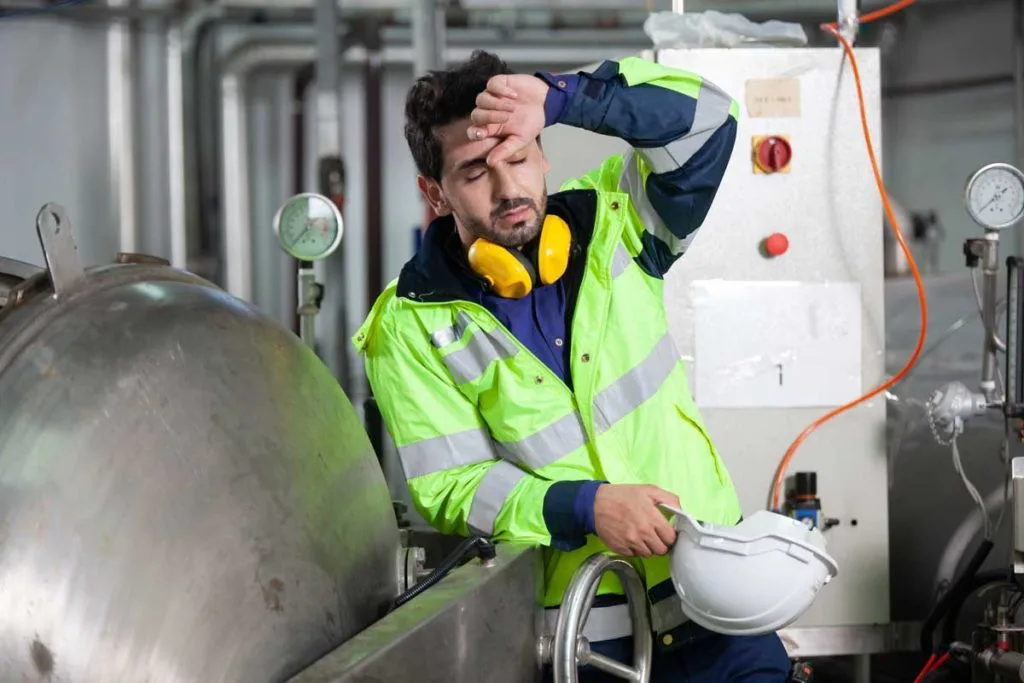
If you review the career histories of many Health, Safety, and Environment (HSE) professionals, a recurring pattern emerges: frequent job changes every one to three years. This trend is noticeable across various industries, including construction, oil and gas, manufacturing, logistics, healthcare, and even corporate office environments. While some level of mobility is normal in modern … Read more

Why Experienced HSE Professionals Fail the CSP — Despite Studying Hard

Why Experienced HSE Professionals Fail the CSP

Many seasoned HSE (Health, Safety & Environment) professionals are surprised — and sometimes embarrassed — when they fail the Certified Safety Professional (CSP) exam. After years on the job, practical experience, and hours of studying, a failed attempt feels unfair. The reality is that passing CSP requires a different mix of knowledge, habits, and test … Read more

How to Conduct HSE Emergency Drills on Construction Sites: A Step-by-Step Practical Guide

What Does PEEP Stand for in Fire Safety

Emergencies on construction sites happen fast, escalate quickly, and often leave no room for improvisation. Fires, structural collapses, gas leaks, medical emergencies, equipment failure, and extreme weather events are real risks that construction teams face daily. The difference between controlled evacuation and chaos, between minor injuries and fatalities, often comes down to how well emergency … Read more

Why Many Incident Investigations Fail to Prevent Repeat Accidents

Difference Between Incident Accident And Near Miss

Incident investigations are supposed to stop accidents from happening again. Yet in many workplaces—construction sites, factories, oil and gas facilities, warehouses, hospitals—the same types of incidents keep repeating. Different people, different days, same outcomes. A worker falls from height months after a “thorough” investigation.A machine-related injury happens again despite corrective actions.A vehicle collision reoccurs even … Read more

Is Experience More Valuable Than Safety Certifications in the Real World?

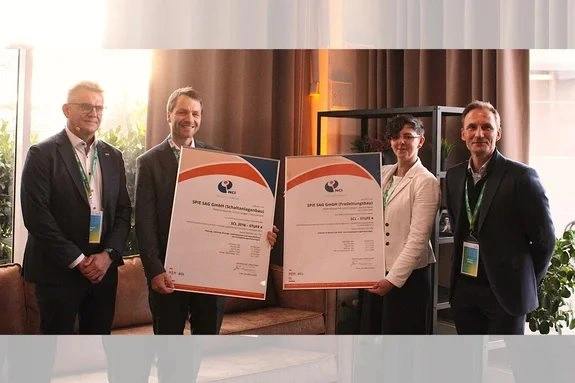
SPIE Receives Additional Step 4 Safety Culture Ladder Certification in Germany

In the real world of work—especially in high-risk industries like construction, manufacturing, oil and gas, healthcare, logistics, and energy—this question comes up constantly: Is hands-on experience more valuable than safety certifications? Hiring managers debate it. Safety professionals argue over it. Young graduates worry about it. Experienced workers without certificates feel stuck because of it. The … Read more

If You Already Have NEBOSH IGC, Is IOSH Managing Safely Still Worth It?

NIOSH Study Identifies High-Risk Noise-Exposed Workers

If you already hold the NEBOSH International General Certificate (IGC), you’ve probably asked yourself this question—or heard it debated endlessly in safety circles: “Is IOSH Managing Safely still worth it, or is it a waste of time?” On paper, NEBOSH IGC is more advanced. It’s globally respected, academically demanding, and often listed as a minimum … Read more

Key Safety and Environmental Monitoring Formulas Every HSE Professional Must Know

HSE Level 6 Certification

  In modern Safety and Environmental Management, monitoring, measurement, and performance evaluation are non-negotiable elements of a strong HSE program. Organizations today are expected to demonstrate not only compliance but proactive safety leadership, risk reduction, and continuous improvement. This is why every HSE professional—whether in construction, manufacturing, oil and gas, logistics, or renewable energy—must understand … Read more

How to Set Up a Confined Space Entry Team: A Practical Guide for Safety Professionals

Confined Space Entry Permit Requirements

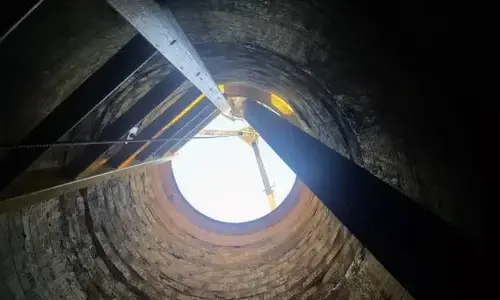
Confined space work is one of the most hazardous activities in the industrial, construction, and utility sectors. OSHA reports that confined space fatalities occur every year due to inadequate planning, poor training, and a lack of proper team structure. Setting up a competent Confined Space Entry Team (CSET) is critical for ensuring safety, compliance, and … Read more

12 Pillars of Safety Culture: A Practical Guide for Every Workplace

Daewoo E&C Advances Safety Culture with New Policy and Upgraded SMARTy App

A strong safety culture is the backbone of every successful organization, whether it’s construction, manufacturing, healthcare, oil and gas, education, logistics, or office-based industries. When safety becomes a shared value rather than a management requirement, employees feel protected, engaged, and motivated to perform at their best. Incidents reduce, productivity increases, and companies save money that … Read more

Which Government Agency Is Responsible for Workplace Safety in the UK?

Health and Safety Executive Celebrates 50 Years of Workplace Safety

Workplace safety is at the heart of a productive and thriving workforce. Every employer operating in the United Kingdom—whether a small retail shop or a large industrial operation—must comply with strict safety standards designed to keep workers, contractors, and even the public safe. But who oversees and enforces these standards? Which government authority ensures employers … Read more