How to Prevent Cold Burns When Using a CO₂ Fire Extinguisher

Types Of Fire Extinguishers

Carbon dioxide (CO₂) fire extinguishers are some of the most common extinguishers you’ll find in workplaces—especially around electrical equipment, server rooms, laboratories, workshops, fueling areas, and industrial environments. They are fast, effective, and leave no residue. But they also come with a serious hazard many workers underestimate: cold burns (frostbite). When discharged, a CO₂ extinguisher … Read more

Why Fire Extinguisher Training Is Important in the Workplace

Class A B C D K Fire Extinguishers

Fire hazards exist in every workplace—offices, factories, warehouses, construction sites, hospitals, hotels, and even remote field stations. Yet many organizations underestimate the value of hands-on fire extinguisher training, assuming employees will simply “figure it out” during an emergency. The truth is this: fire extinguishers are only effective when the people using them know exactly what … Read more

kitchen Fire Safety Guide for People with Autistic Spectrum Disorders

kitchen Fire Safety Guide for People with Autistic Spectrum Disorders

In this kitchen fire safety guide for People with Autistic Spectrum Disorders, we will explore how to make cooking and kitchen activities safer, more predictable, and less stressful. Autistic individuals often experience heightened sensory sensitivities, difficulties with transitions, challenges in planning and executive functioning, and sometimes unique patterns of attention or fixation. These traits influence … Read more

Safety Measures Used After a Large Lithium Battery Catches Fire

Safety Measures Used After a Large Lithium Battery Catches Fire

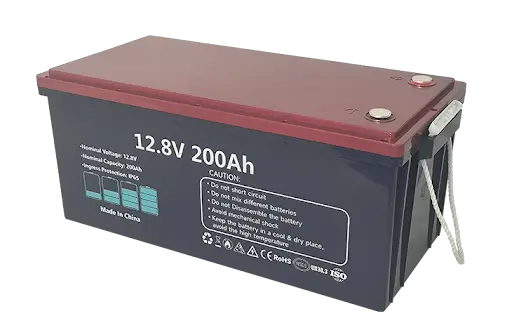
When a large lithium battery—whether part of an electric vehicle, a stationary energy storage system (ESS), or industrial equipment—catches fire, the dangers do not end when visible flames are extinguished. In fact, the safety measures used after a large lithium battery catches fire are critical to prevent reignition, protect health, enable safe cleanup, and manage … Read more

How to Become a Fire Protection Engineer in the U.S.

How to Become a Fire Protection Engineer

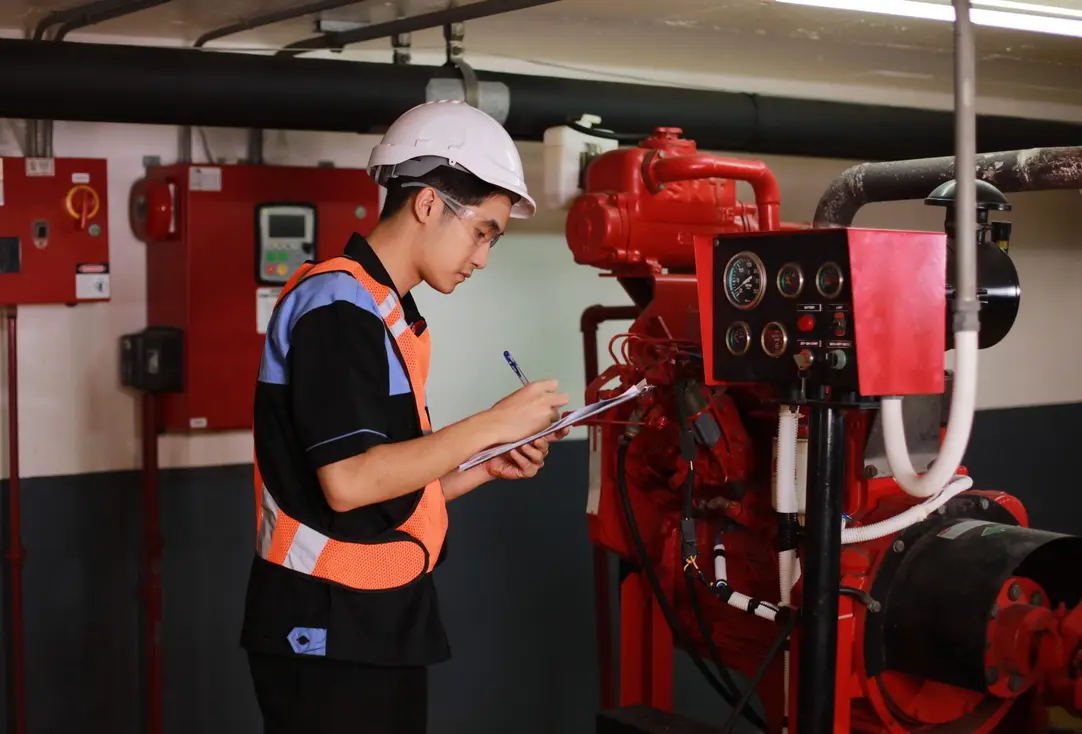
If you have ever wondered how to become a fire protection engineer, you are not alone. With increasing fire risks in residential, commercial, and industrial settings, the demand for skilled professionals who can design safe buildings, develop fire protection systems, and shape safety policies has never been higher. Fire protection engineering is not just about … Read more

Why Must Exit Routes Follow Strict Criteria?

Why Must Exit Routes Follow Strict Criteria

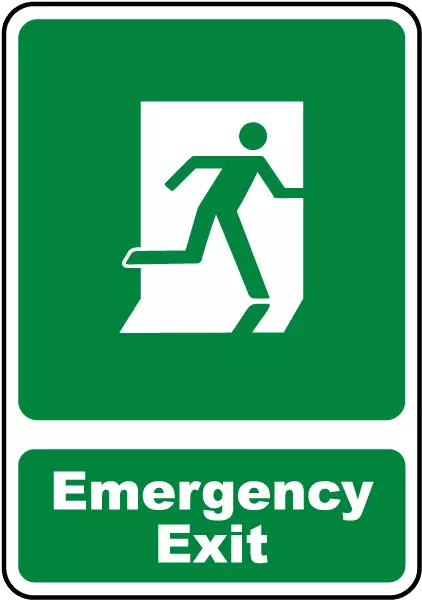
When it comes to workplace safety, one of the most important but often overlooked elements is exit routes. A well-designed exit route can mean the difference between life and death during an emergency. But why must exit routes follow strict criteria? The answer lies in their role as lifelines during fires, explosions, chemical spills, or … Read more

Who Should be Trained on the Contents of an Emergency Action Plan?

Who Should be Trained on the Contents of an Emergency Action Plan

In any workplace, “Who should be trained on the contents of an emergency action plan?” is not just a regulatory question—it’s a question of safety, legal liability, and organizational readiness. From frontline workers to management to emergency team members and outside partners, having the right people fully trained on an Emergency Action Plan (EAP) can … Read more

Who Is Responsible for Enforcing Fire Safety?

Fire Safety Essentials For Multi-Storey Residential Buildings

When asking “Who is responsible for enforcing fire safety,” the short answer is: multiple actors — including fire marshals, fire inspectors, building code officials, state and local governments, and sometimes private third-party auditors — all share responsibility. The exact distribution depends on jurisdiction, scope (commercial, residential, industrial), and the legal framework in that area. In … Read more