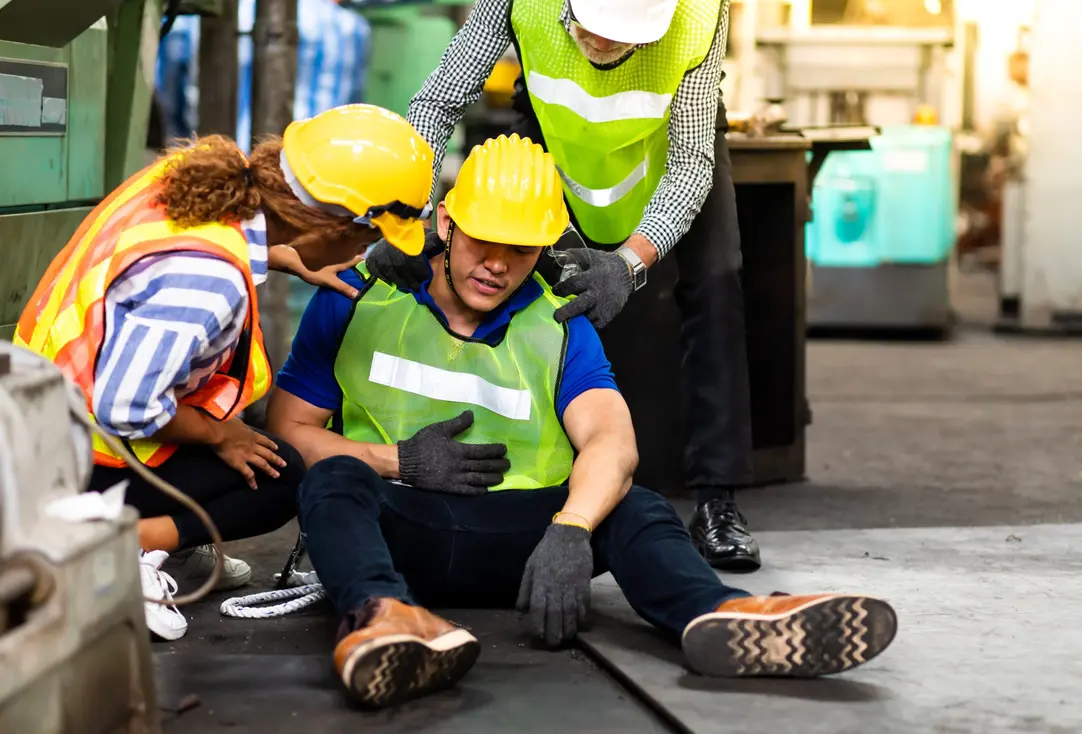
Safety is a broad, multidisciplinary concept that encompasses workplaces, industries, public spaces, and everyday life. In professional environments—especially construction, manufacturing, oil & gas, healthcare, logistics, and utilities—understanding the different types of safety is foundational to preventing accidents, protecting lives, ensuring compliance, and sustaining business continuity.
The attached image clearly highlights several core types of safety, including occupational safety, process safety, fire safety, electrical safety, chemical safety, environmental safety, ergonomic safety, road and transport safety, radiation safety, and machine & equipment safety. This article builds on those categories, explains them in depth, and expands further to include additional types of safety that are increasingly critical in modern organizations.
What Is Safety?
Safety refers to the condition of being protected from harm, risk, or danger. In professional and industrial contexts, safety involves:
-
Identifying hazards
-
Assessing risks
-
Implementing controls
-
Monitoring performance
-
Continuously improving systems
Different hazards require different safety disciplines. That is why safety is divided into types, each focusing on specific risk categories, control measures, and professional competencies.
Overview of the Types of Safety
The image illustrates the following major safety types:
-
Occupational Safety
-
Process Safety
-
Fire Safety
-
Electrical Safety
-
Chemical Safety
-
Environmental Safety
-
Ergonomic Safety
-
Road & Transport Safety
-
Radiation Safety
-
Machine & Equipment Safety
Each of these is explained in detail below, followed by additional types of safety not shown in the image but equally important.
Types of Safety
1. Occupational Safety
Definition
Occupational safety focuses on protecting workers from hazards arising from workplace activities. It is the most recognized type of safety and applies across all industries.
Key Hazards
-
Slips, trips, and falls
-
Working at height
-
Struck-by and caught-between hazards
-
Manual handling injuries
-
Noise, dust, and vibration
-
Confined spaces
Controls and Practices
-
Hazard identification and risk assessment (HIRA/JSA)
-
Use of personal protective equipment (PPE)
-
Safety training and toolbox talks
-
Permit-to-work systems
-
Safe work procedures
Example
Properly erected scaffolding to prevent falls on a construction site.
Why Occupational Safety Matters
Occupational safety directly reduces:
-
Lost Time Injuries (LTI)
-
Fatalities
-
Workers’ compensation claims
-
Productivity losses
It also forms the backbone of standards like ISO 45001 Occupational Health and Safety Management Systems.
2. Process Safety
Definition
Process safety deals with the prevention of major accident hazards arising from industrial processes involving hazardous substances, high pressures, high temperatures, or complex systems.
Key Hazards
-
Explosions
-
Toxic gas releases
-
Fires from process failure
-
Equipment rupture
-
Loss of containment
Controls and Practices
-
Process Hazard Analysis (PHA, HAZOP, What-If)
-
Safety Instrumented Systems (SIS)
-
Alarm management
-
Mechanical integrity programs
-
Management of Change (MOC)
Example
Implementing H₂S monitoring in oil and gas facilities.
Occupational Safety vs Process Safety
While occupational safety focuses on individual injuries, process safety focuses on low-frequency but high-consequence events that can kill many people at once and cause massive environmental and financial damage.
3. Fire Safety
Definition
Fire safety involves preventing fires, detecting them early, and responding effectively to minimize harm to people, property, and the environment.
Fire Safety Elements
-
Fire prevention
-
Fire detection
-
Fire protection
-
Fire emergency response
Controls and Practices
-
Fire risk assessments
-
Fire detection and alarm systems
-
Fire extinguishers and suppression systems
-
Fire drills and evacuation plans
-
Hot work permits
Example
Installing smoke detectors and conducting fire drills at the workplace.
Importance of Fire Safety
Fire incidents escalate rapidly. Effective fire safety planning saves lives, ensures regulatory compliance, and protects critical assets.
4. Electrical Safety
Definition
Electrical safety focuses on protecting people, equipment, and facilities from electrical hazards.
Key Hazards
-
Electric shock
-
Electrocution
-
Arc flash and arc blast
-
Electrical fires
-
Equipment damage
Controls and Practices
-
Lockout/Tagout (LOTO)
-
Proper grounding and insulation
-
Use of insulated tools
-
Electrical permits and competent persons
-
Arc flash studies and labeling
Example
De-energizing a panel before maintenance to avoid electrocution.
Why Electrical Safety Is Critical
Electrical hazards often result in severe injuries or fatalities and are a leading cause of workplace fires.
Read Also: 21 Essential Accident, Incident and EHS KPIs
5. Chemical Safety
Definition
Chemical safety addresses the safe handling, storage, use, transport, and disposal of hazardous chemicals.
Key Hazards
-
Toxic exposure
-
Chemical burns
-
Explosions and fires
-
Environmental contamination
-
Chronic health effects
Controls and Practices
-
Safety Data Sheets (SDS)
-
Proper labeling and segregation
-
Chemical risk assessments
-
Spill control and emergency showers
-
Training on safe handling
Example
Storing acids and alkalis separately in a chemical warehouse.
Regulatory Link
Chemical safety aligns with systems like GHS (Globally Harmonized System) and occupational exposure limits.
6. Environmental Safety
Definition
Environmental safety focuses on protecting the environment from harm caused by workplace activities.
Key Environmental Risks
-
Air pollution
-
Water contamination
-
Soil contamination
-
Waste mismanagement
-
Oil and chemical spills
Controls and Practices
-
Environmental Impact Assessments (EIA)
-
Waste management plans
-
Spill prevention and response
-
Pollution control systems
-
Environmental monitoring
Example
Installing oil-water separators to prevent water contamination.
Why Environmental Safety Matters
Environmental incidents damage ecosystems, attract heavy fines, harm corporate reputation, and threaten community health.
7. Ergonomic Safety
Definition
Ergonomic safety aims to reduce strain, fatigue, and musculoskeletal disorders (MSDs) by designing work to fit the worker.
Key Hazards
-
Poor posture
-
Repetitive movements
-
Manual lifting
-
Poor workstation design
Controls and Practices
-
Ergonomic risk assessments
-
Adjustable workstations
-
Mechanical lifting aids
-
Job rotation
-
Ergonomic training
Example
Using mechanical aids instead of lifting heavy loads manually.
Benefits of Ergonomic Safety
-
Reduced absenteeism
-
Improved productivity
-
Lower long-term injury costs
8. Road and Transport Safety
Definition
Road and transport safety focuses on preventing vehicle-related incidents involving employees, contractors, and the public.
Key Risks
-
Speeding
-
Fatigue
-
Poor vehicle maintenance
-
Distracted driving
-
Unsafe routes
Controls and Practices
-
Defensive driving training
-
Journey management plans
-
Speed monitoring
-
Seatbelt enforcement
-
Vehicle inspections
Example
Ensuring seatbelt use and speed control in company vehicles.
Importance
In many organizations, road traffic accidents are the leading cause of work-related fatalities.
9. Radiation Safety
Definition
Radiation safety deals with protecting people from the harmful effects of ionizing and non-ionizing radiation.
Sources of Radiation
-
X-ray equipment
-
Radiography (NDT)
-
Medical imaging
-
Nuclear facilities
-
Lasers and RF equipment
Controls and Practices
-
Time, distance, and shielding principles
-
Radiation monitoring badges
-
Controlled areas
-
Regulatory permits
-
Competent operators
Example
Following safety protocols during NDT radiography.
10. Machine and Equipment Safety
Definition
Machine and equipment safety ensures the safe operation, maintenance, and repair of machinery.
Key Hazards
-
Moving parts
-
Pinch points
-
Entanglement
-
Unexpected energization
Controls and Practices
-
Machine guarding
-
Lockout/Tagout systems
-
Preventive maintenance
-
Operator training
-
Emergency stop devices
Example
Use lockout systems before repairing a conveyor belt.
Additional Types of Safety Not Shown in the Image
To make this a true pillar post, it is essential to include additional safety types relevant to modern workplaces.
Read Also: How to Conduct HSE Emergency Drills on Construction Sites: A Step-by-Step Practical Guide
11. Health Safety (Occupational Health)
Focuses on preventing work-related illnesses, including:
-
Respiratory diseases
-
Noise-induced hearing loss
-
Occupational cancers
-
Stress-related disorders
Controls include health surveillance, exposure monitoring, and wellness programs.
12. Psychological Safety
Psychological safety refers to a work environment where employees feel safe to speak up, report hazards, and express concerns without fear.
It is critical for:
-
Incident reporting
-
Learning culture
-
High-reliability organizations
13. Cyber Safety (Information Safety)
Cyber safety protects digital systems, data, and operational technology from cyber threats that can cause:
-
Process disruptions
-
Safety system failures
-
Data breaches
This is increasingly linked to process and operational safety.
14. Public Safety
Public safety focuses on protecting communities and the general public from hazards related to organizational activities, infrastructure, and services.
Examples include:
-
Crowd safety
-
Emergency preparedness
-
Community risk management
15. Construction Safety
Although part of occupational safety, construction safety is often treated separately due to its high-risk nature, involving:
-
Working at height
-
Excavations
-
Lifting operations
-
Temporary structures
Why Understanding Different Types of Safety Matters
Understanding safety as a multi-disciplinary system helps organizations:
-
Allocate responsibilities correctly
-
Apply the right controls to the right hazards
-
Meet legal and regulatory requirements
-
Improve overall safety performance
-
Build a strong safety culture
No single safety type works in isolation. They overlap and reinforce each other.
Integrating All Types of Safety into a Management System
A robust organization integrates all safety types through:
-
ISO 45001 (Occupational Health & Safety)
-
ISO 14001 (Environmental Management)
-
Process Safety Management (PSM) frameworks
-
Enterprise risk management
This integrated approach ensures consistent controls, accountability, and continuous improvement.
Conclusion
The types of safety illustrated in the image—occupational, process, fire, electrical, chemical, environmental, ergonomic, road & transport, radiation, and machine safety—represent the core pillars of modern safety management. When combined with additional areas such as health safety, psychological safety, cyber safety, public safety, and construction safety, they form a comprehensive framework for protecting people, assets, the environment, and organizational reputation.
Safety is not a single activity. It is a system of interconnected disciplines, each addressing specific hazards but working toward one goal: preventing harm and sustaining safe, productive operations.
This pillar guide provides a foundational reference that can support training, policy development, compliance, and continuous safety improvement across industries.

A seasoned Health and Safety Consultant with over a decade of hands-on experience in Occupational Health and Safety, UBONG EDET brings unmatched expertise in health and safety management, hazard prevention, emergency response planning, and workplace risk control. With a strong passion for training and coaching, he has empowered professionals and organizations to build safer, more compliant work environments.
Certified in globally recognized programs including NEBOSH, ISO standards, and OSHA regulations, he combines technical know-how with practical strategies to drive health and safety excellence across industries. designing comprehensive HSE management systems or delivering impactful safety training, whether he] is committed to promoting a culture of safety and continuous improvement.